Brake Repair in Springfield, IL
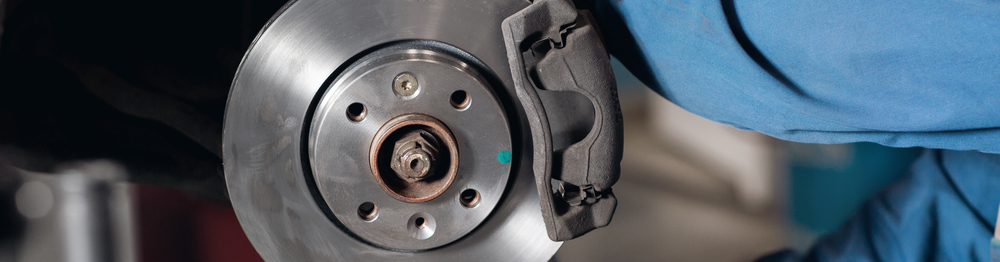
A Squeal Today Is Cheaper Than a Rotor Tomorrow
Brakes tend to get attention only once they start making noise, but by the time a squeal turns into a grind, the repair has usually gotten more expensive. Friendly Honda of Springfield measures pad thickness, rotor condition, and brake fluid quality on every make and model before recommending any work, not just Honda vehicles. Stop-and-go traffic through downtown Springfield and winter road salt both wear brake components faster than highway driving alone. A full inspection looks at pads, rotors, calipers, and lines together, since a problem in one area often affects how the others wear. Getting ahead of a worn component means a simpler, less expensive repair and a shorter wait. Anyone hearing a new noise or feeling something different underfoot can get it checked without committing to a full brake job first.
How the Braking System Brings a Vehicle to a Stop
Pressing the brake pedal pushes fluid through the brake lines to calipers at each wheel, which squeeze brake pads against the rotors. That friction is what actually slows the vehicle down, converting motion into heat at the rotor surface.
Brake fluid plays a role that's easy to overlook: it's hydraulic, meaning it transmits pressure through the lines, and it's also hygroscopic, meaning it absorbs moisture over time. That moisture lowers the fluid's boiling point and can lead to a spongy pedal feel if it isn't flushed periodically.
- Brake pads: friction material that presses against the rotor to slow the wheel
- Rotors: the metal discs the pads clamp onto
- Calipers: house the pads and apply clamping pressure via hydraulic pistons
- Brake lines: carry pressurized fluid from the master cylinder to each wheel
- Brake fluid: transmits hydraulic pressure and needs periodic flushing
Front and rear brakes typically wear at different rates, since the front brakes handle most of the stopping force during normal driving. That's why front pads often need replacement before the rears.
A common misconception is that brake pads are the only part that wears out. Rotors wear too, and once they drop below minimum thickness or develop deep grooves, resurfacing isn't always possible and replacement becomes necessary.
Signs the Brakes Need a Closer Look
A high-pitched squeal while braking is often the first sign, produced intentionally by a small metal wear indicator built into many brake pads to alert the driver before the pad wears down completely.
A grinding sound is a more urgent signal, usually meaning the pad material is gone and metal is now contacting metal, which can damage the rotor quickly if it isn't addressed.
- Squealing or squeaking when braking
- Grinding noise, especially at low speed
- Vibration or pulsing felt through the brake pedal or steering wheel
- Vehicle pulling to one side when braking
- A soft or spongy brake pedal
A less obvious cause of pulsing is a warped rotor, which can develop from repeated heavy braking or uneven cooling rather than from mileage alone. This often gets mistaken for a pad problem when it isn't.
Scheduling an inspection as soon as unusual noise or feel shows up, rather than waiting for a grind, usually means the difference between a pad replacement and a full pad-and-rotor job.
Brake Services at Friendly Honda of Springfield
The service team handles brake work for all makes and models, from a simple pad swap to a full system overhaul.
Brake Pad and Rotor Replacement
Technicians measure pad thickness and rotor condition, then replace only what's needed to bring the system back to a safe, quiet operating condition. Rotors that meet minimum thickness may be resurfaced rather than replaced when appropriate. Every job includes a road test to confirm proper pedal feel and stopping performance. Quality pad and rotor options are available for every budget.
Brake Fluid Flush
Old brake fluid absorbs moisture and loses effectiveness, which can lead to a soft pedal or reduced stopping power under hard braking. A fluid flush replaces old fluid with fresh, manufacturer-specified fluid throughout the system. This is a preventive service that helps protect the calipers and lines from internal corrosion. It's recommended on a regular interval regardless of pad wear.
Caliper and Brake Line Repair
A sticking caliper or a leaking brake line can cause uneven pad wear, a pull to one side, or a loss of braking pressure, and both are addressed as part of a full brake inspection. Technicians repair or replace the affected component and bleed the system to remove air afterward. This work is only performed when testing confirms it's needed. It's often paired with a fluid flush for a complete fix.
Measuring Before Recommending a Brake Job
Brake symptoms can point in more than one direction, so every visit starts with actual pad thickness and rotor measurements rather than a visual guess. That distinction matters, because a pulsing pedal doesn't always mean the brakes themselves are the problem.
One example: a driver came in convinced new rotors were needed because of a pulsing sensation while braking at highway speed. Measurements showed the rotors and pads were both well within spec. The actual cause turned out to be a wheel bearing issue, unrelated to the brake system entirely, and replacing rotors would not have fixed it.
- Pad thickness and rotor condition measured, not estimated
- Findings and measurements shared before any repair is recommended
- Symptoms are traced to their actual source, even outside the brake system
- Manufacturer torque specs followed on every brake job
After any brake repair, technicians perform a road test to confirm pedal feel, stopping performance, and the absence of noise before returning the vehicle.
This process applies to every make and model in the shop, and most brake inspections and repairs are completed the same day.
Brake Repair for Honda Models in Springfield
Honda models across the lineup, including the Civic, Accord, CR-V, and Pilot, use pad and rotor specifications suited to each vehicle's weight and braking demands, and technicians confirm the correct parts by VIN before starting any job. Using mismatched components can affect braking performance and pedal feel.
A standard pad and rotor replacement is typically completed within a couple of hours with a scheduled appointment, while more involved caliper or line repairs may take longer depending on parts availability.
- Pad and rotor specifications confirmed by VIN for each vehicle
- Manufacturer-specified brake fluid used on every flush
- Road test performed after every brake repair
Find Friendly Honda of Springfield in Springfield, IL
Brake Service for the Greater Springfield Area
Drivers throughout central Illinois rely on Friendly Honda of Springfield for brake inspections and repairs, particularly heading into winter when road salt and stop-and-go traffic accelerate wear.
- Chatham, IL
- Sherman, IL
- Rochester, IL
- Riverton, IL
- Auburn, IL
- New Berlin, IL
- Pleasant Plains, IL
- Jerome, IL
A quick brake check is worth the short drive, and it's free of guesswork from the start.
Common Brake Questions from Our Customers
A few things drivers ask most before scheduling brake work.
Q: How do I know if I need new brake pads or new rotors?
Q: Is it safe to keep driving if my brakes are squealing?
Q: Why does my brake pedal feel soft or spongy?
Q: What does a brake inspection at your service center include?
Q: Do you service brakes on vehicles other than Honda models?
Hearing a new noise or feeling something different when you brake? Call the service desk and describe it so the team can advise on next steps.
Catching it early usually keeps the repair simple.
Schedule Brake Service at Friendly Honda of Springfield
Worn brakes don't improve with time. What starts as a squeal can turn into a grind that damages rotors and turns a pad job into a bigger repair.
Every recommendation is based on actual measurements, and nothing gets replaced without your approval first.
Book an inspection online, call the service desk, or stop by, and most brake work is completed the same day.
Service Specials


Brake Savings
Brakes, OEM brake pad installation, comprehensive brake inspection to help keep you stopping safely


