Coolant System Service in Springfield, IL
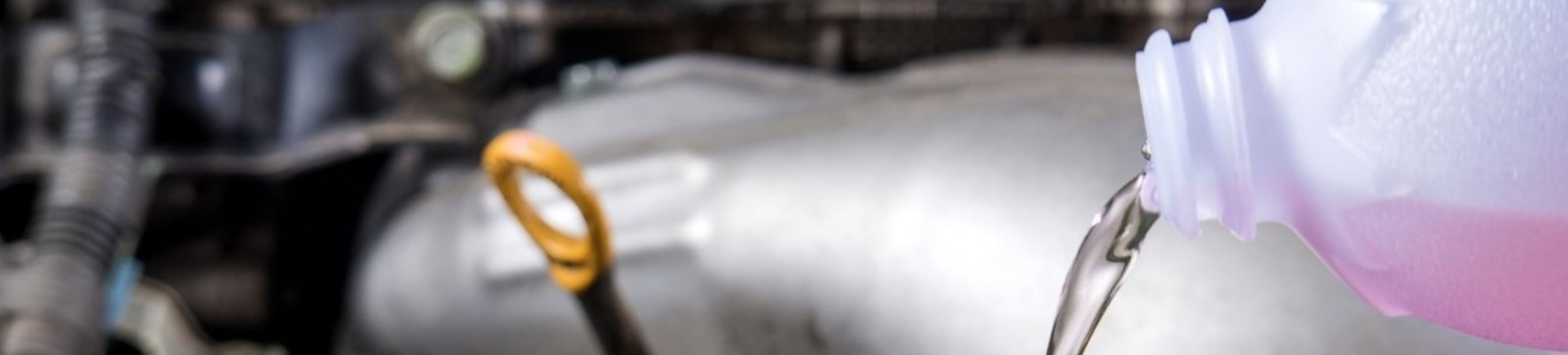
Overheating Rarely Happens Without Warning Signs First
Most engine overheating events don't come out of nowhere. A slow coolant leak, a failing hose, or a weakening water pump usually gives some indication before the temperature gauge climbs into the red. The technicians at Friendly Honda of Springfield pressure test the cooling system and inspect hoses, the radiator, and the water pump on every make and model, not just Hondas, before recommending any repair. Illinois summers put real strain on cooling systems, especially in stop-and-go traffic where airflow across the radiator drops. A cooling system that's just a little low on coolant can still get an engine through a normal drive, right up until a hot afternoon and heavy traffic push it past its limit. Catching a small leak or a marginal hose early keeps a routine coolant service from turning into a tow truck call.
How the Cooling System Keeps an Engine From Overheating
An engine generates enormous heat through combustion, and the cooling system exists to carry that heat away before it damages internal components. Coolant circulates through passages in the engine block, absorbing heat, then flows to the radiator where outside air pulls the heat back out.
The water pump keeps coolant moving through this loop, while the thermostat regulates flow so the engine warms up efficiently and then maintains a steady operating temperature. A cooling fan assists airflow across the radiator at low speeds or when the vehicle is stopped.
- Radiator: releases heat from coolant into outside air
- Water pump: circulates coolant through the engine and radiator
- Thermostat: regulates coolant flow to control engine temperature
- Hoses: carry coolant between the engine, radiator, and reservoir
- Coolant: a water and antifreeze mixture that resists boiling and freezing
Coolant also contains additives that protect against corrosion inside the engine and radiator. Over time those additives break down, which is why coolant needs periodic replacement even if the level never drops.
A common misconception is that plain water works fine in a pinch long-term. Water alone lacks the boiling and freezing point protection and the anti-corrosion additives that coolant provides, and running it for an extended period can accelerate internal corrosion.
Signs the Cooling System Needs Attention
A temperature gauge creeping higher than normal, especially in traffic or on hot days, is often the first sign of a cooling system that isn't performing at full capacity. It doesn't always mean an emergency, but it does mean something is worth checking.
Coolant puddles under the vehicle, a sweet smell near the engine bay, or a coolant reservoir that keeps needing topped off are all signs of a leak somewhere in the system that should be located rather than ignored.
- Temperature gauge reading higher than usual
- Coolant puddles or a sweet smell under the hood
- Coolant reservoir level dropping repeatedly
- Heater blowing cool air instead of warm
- Visible steam from under the hood
A less obvious cause of overheating is a failing water pump that still spins but no longer moves coolant efficiently, or a radiator cap that's lost its ability to hold proper system pressure.
Addressing a small coolant leak or an aging hose before a road trip or a hot stretch of weather is far less stressful than dealing with an overheated engine on the shoulder of the highway.
Coolant System Services at Friendly Honda of Springfield
From a routine flush to water pump replacement, cooling system service is available for all makes and models.
Coolant Flush and Fill
Old coolant is drained and the system is flushed to remove buildup and contaminants before fresh, manufacturer-specified coolant is added. This restores the fluid's corrosion protection and proper freeze and boil-over points. It's a routine service recommended on a regular interval regardless of visible symptoms. The system is pressure tested afterward to confirm no leaks are present.
Leak Detection and Hose Repair
Technicians pressure test the system to locate leaks at hoses, the radiator, the water pump, or gasket surfaces, then repair or replace the specific component responsible. Finding the actual leak point avoids repeated top-offs that never solve the underlying problem. This service is recommended any time coolant levels are dropping unexpectedly. A dye test can be used for particularly slow leaks.
Water Pump and Thermostat Replacement
When testing confirms a failing water pump or a stuck thermostat, technicians replace the component and refill the system with fresh coolant. These repairs are more involved and are only recommended once diagnosis confirms the failure. The system is bled to remove air pockets that could otherwise cause a false overheating reading. A cooling system performance check follows every repair.
Finding the Actual Leak Before Replacing Parts
Overheating and coolant loss can come from several different points in the system, so every visit starts with a pressure test to isolate exactly where the problem is rather than swapping parts based on a guess.
One example: a customer expected to need a new radiator after repeated coolant loss and an occasional high temperature reading. Pressure testing found the radiator was completely sound. The actual leak was a small crack in a plastic coolant reservoir, a far less expensive fix that solved the issue entirely.
- Every cooling system visit starts with a pressure test
- The specific leak point is identified before any part is ordered
- Findings and cost are explained before repair begins
- Manufacturer-specified coolant type is used on every service
After any repair, the system is refilled, bled of air, and pressure tested again, then the vehicle is monitored to confirm temperature stays in the normal range.
This process is consistent across every make and model serviced here, and most coolant system diagnostics are completed the same day.
Cooling System Service for Honda Owners in Springfield
Honda engines across the Civic, Accord, CR-V, and Pilot lineup use specific coolant formulations and system capacities, and technicians confirm the correct coolant type by VIN before servicing any vehicle. Mixing incompatible coolant types can reduce corrosion protection over time.
A standard coolant flush typically takes about an hour with a scheduled appointment, while water pump or thermostat replacement takes longer depending on the model and parts availability.
- Coolant type and system capacity confirmed by VIN
- Pressure testing performed on every cooling system visit
- System bled of air after any repair to prevent false temperature readings
Find Friendly Honda of Springfield in Springfield, IL
Cooling System Service Around Springfield
Vehicle owners throughout central Illinois trust Friendly Honda of Springfield with cooling system service, particularly during the hottest stretches of summer when marginal systems get pushed to their limit.
- Chatham, IL
- Sherman, IL
- Rochester, IL
- Riverton, IL
- Auburn, IL
- New Berlin, IL
- Pleasant Plains, IL
- Jerome, IL
A quick pressure test before a long drive can prevent an overheated engine miles from home.
Cooling System Questions We Hear Often
A few things worth knowing before your temperature gauge ever creeps up.
Q: What should I do if my temperature gauge starts climbing while driving?
Q: How often does coolant actually need to be replaced?
Q: Can I just add water if I'm low on coolant?
Q: What does a cooling system inspection include?
Q: Do you work on cooling systems for makes other than Honda?
Seeing the temperature gauge run a little high or noticing coolant under the car? Call the service desk and describe what you're seeing.
A quick pressure test can catch a small leak before it becomes a big one.
Book Cooling System Service at Friendly Honda of Springfield
A small coolant leak rarely stays small, especially once summer heat and stop-and-go traffic start pushing the system harder.
Every repair is based on a pressure test and a confirmed leak point, not a guess at which hose looks old.
Book online, call the service desk, or stop by, and most coolant system diagnostics are completed the same day.
Service Specials


Brake Savings
Brakes, OEM brake pad installation, comprehensive brake inspection to help keep you stopping safely


