Engine Diagnostic Service in Springfield, IL

A Check Engine Light Is a Question, Not an Answer
A check engine light can mean anything from a loose gas cap to a misfiring cylinder, and the light itself doesn't tell the difference. Friendly Honda of Springfield reads the actual trouble codes and follows up with hands-on testing on every make and model, not just Honda vehicles, before recommending any repair. A code points toward a system, not necessarily a specific broken part, which is why two vehicles with the same code can need two completely different fixes. Guessing at parts based on a code alone often means paying for something that was never the problem. A proper diagnostic narrows the cause down before a single part gets ordered. Whether the light just came on or has been on for weeks, it's worth having it read rather than driving around wondering.
How Engine Diagnostics Actually Work
Modern vehicles run a network of sensors that constantly monitor engine performance, from oxygen levels in the exhaust to fuel trim, ignition timing, and dozens of other data points. When a reading falls outside its expected range, the engine computer stores a trouble code and, in many cases, illuminates the check engine light.
Pulling that code with a scan tool is only the first step. The code identifies which system reported the issue, such as a misfire on a specific cylinder or a lean fuel condition, but confirming the actual cause requires further testing with the right equipment.
- Trouble codes: stored data pointing to a specific system or sensor
- Live data: real-time sensor readings technicians compare against expected values
- Freeze frame data: a snapshot of conditions when the code was triggered
- Component testing: physically verifying a suspect part rather than assuming it's bad
- Visual and mechanical inspection: checking wiring, connectors, and related parts
Multiple codes can appear at once, and part of the diagnostic process is figuring out which one is the root cause and which are secondary effects triggered by the first problem.
A common misconception is that a code names the broken part directly. A code for a misfire, for example, could point to a spark plug, an ignition coil, a fuel injector, or a mechanical issue inside the cylinder itself, and only further testing narrows it down.
When a Diagnostic Visit Makes Sense
A steady check engine light, as opposed to a flashing one, usually means the issue isn't urgent but shouldn't be ignored indefinitely. A flashing check engine light signals an active misfire that can damage the catalytic converter and typically calls for prompt attention.
Beyond the warning light itself, changes in how the engine runs, such as rough idling, hesitation during acceleration, or a noticeable drop in fuel economy, are all reasons to schedule a diagnostic even before a light comes on.
- Check engine light illuminated, steady or flashing
- Rough idle or noticeable engine vibration
- Hesitation or lack of power during acceleration
- Unexplained drop in fuel economy
- Stalling or difficulty starting
A less obvious reason to schedule a diagnostic is intermittent symptoms that come and go, since these can be harder to catch but often still leave stored codes or freeze frame data that point technicians in the right direction.
Getting a diagnostic done as soon as symptoms appear, rather than waiting to see if the light goes off on its own, usually keeps a minor issue from becoming a bigger repair.
Diagnostic Services at Friendly Honda of Springfield
Engine diagnostics are available for all makes and models, using manufacturer-level scan tools where applicable.
Check Engine Light Diagnosis
Technicians pull stored codes and freeze frame data, then follow up with live data review and component testing to confirm the actual cause. This goes beyond simply reading a code and guessing at a part. Findings are explained in plain language along with the recommended fix. It's the starting point for any check engine light concern.
Performance and Drivability Diagnostics
For issues like rough idling, hesitation, or stalling that don't always trigger a stored code, technicians use live data monitoring and road testing to catch the problem as it happens. This is especially useful for intermittent symptoms. The goal is to reproduce and document the issue, not just guess based on description alone. A detailed explanation follows every diagnostic.
Repair Following Diagnosis
Once a diagnostic confirms the cause, technicians complete the recommended repair, whether that's a sensor, ignition component, or a more involved mechanical fix. Repairs are only started after the customer reviews and approves the findings. The vehicle is retested afterward to confirm the code doesn't return. This keeps the process from turning into repeated guesswork.
Why a Code Isn't the Final Answer
Reading a code takes seconds. Confirming what actually caused it takes real diagnostic work, and skipping that step is how customers end up paying for parts that were never the problem in the first place.
A common example: a vehicle came in with a code pointing to a specific oxygen sensor, and the previous shop had already replaced it once without fixing the light. Further testing found a small exhaust leak upstream of the sensor was throwing off its readings. Repairing the leak resolved the code permanently, and the sensor itself had never needed replacing.
- Codes are treated as a starting point, not a final diagnosis
- Live data and component testing confirm the actual cause
- Findings are explained clearly before any repair begins
- Repairs are verified with a retest before the vehicle is returned
This process helps avoid the frustrating cycle of replacing parts one at a time hoping the light goes off for good.
It applies to every make and model in the shop, and most diagnostic visits are completed the same day with a scheduled appointment.
Engine Diagnostics for Honda Models in Springfield
Honda vehicles use manufacturer-specific diagnostic protocols alongside standard OBD-II codes, and technicians use Honda-level scan tools to access the deeper system data that a generic code reader can't reach. This is confirmed by VIN to make sure the right diagnostic approach is used for the model and year.
A standard diagnostic can often be completed within an hour, though drivability issues that require road testing or intermittent symptom tracking may take longer to properly diagnose.
- Honda-specific diagnostic protocols used alongside standard codes
- Live data compared against manufacturer specifications
- Findings explained before any repair is approved
Find Friendly Honda of Springfield in Springfield, IL
Diagnostic Service for the Springfield Area
Drivers from across central Illinois bring their vehicles here for an accurate diagnosis rather than a guess, especially after a check engine light has already led to an unsuccessful repair elsewhere.
- Chatham, IL
- Sherman, IL
- Rochester, IL
- Riverton, IL
- Auburn, IL
- New Berlin, IL
- Pleasant Plains, IL
- Jerome, IL
A proper diagnosis now can save the cost of guessing more than once.
Diagnostic Questions Drivers Ask
A few things worth knowing before your next diagnostic visit.
Q: Is it safe to keep driving with the check engine light on?
Q: Can a loose gas cap really trigger the check engine light?
Q: Why did my check engine light come back on after a repair somewhere else?
Q: What does your diagnostic process actually involve?
Q: Do you run diagnostics on vehicles other than Honda models?
Light on and not sure what it means? Call the service desk and describe what the vehicle is doing so the team can advise on next steps.
A proper scan is a faster answer than guessing online.
Schedule a Diagnostic at Friendly Honda of Springfield
A check engine light left unaddressed can mask a small issue that grows into something more expensive, or worse, leave you stranded when it wasn't expected.
Nothing gets replaced without confirmed testing behind it. The findings are yours to see before any repair is approved.
Book a diagnostic online, call the service desk, or stop by, and most diagnostics are completed the same day.
Service Specials

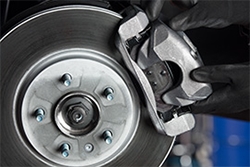
Brake Savings
Brakes, OEM brake pad installation, comprehensive brake inspection to help keep you stopping safely