Tire Service in Springfield, IL

Tread Depth Is the Only Number That Really Matters
Tires are the only part of a vehicle actually touching the road, and how well they grip depends almost entirely on tread depth, pressure, and rotation habits. Friendly Honda of Springfield measures tread depth and inspects tire condition on every make and model, not only Hondas, before recommending rotation, repair, or replacement. Uneven wear often points to a deeper issue with alignment or suspension, so tires are checked as part of the bigger picture rather than in isolation. A tire that looks fine at a glance can still be dangerously low on tread depth, especially in wet or icy conditions common in central Illinois. Rotating tires on a regular schedule helps them wear evenly and last longer, saving money over the life of a set. Whether it's a slow leak, uneven wear, or it's simply time for new tires, the service team can help figure out the right next step.
What Actually Determines Tire Performance
Tread depth is the single biggest factor in how well a tire channels water, snow, and debris away from the contact patch. As tread wears down, a tire's ability to grip in wet or winter conditions drops sharply, even before it reaches the legal minimum.
Tire pressure matters just as much, affecting handling, fuel economy, and even wear patterns. Underinflated tires wear faster along the edges and generate more heat, while overinflated tires wear faster down the center and reduce the size of the contact patch.
- Tread depth: determines grip, especially in wet or winter conditions
- Tire pressure: affects handling, wear, and fuel economy
- Rotation: helps tires wear evenly across the vehicle
- Alignment: keeps tires tracking straight and wearing evenly
- Tire age: rubber degrades over time even with light use
Front and rear tires often wear differently depending on the vehicle's drivetrain, which is one reason regular rotation matters even if all four tires look similar at a glance.
A common misconception is that tire pressure only needs checking when a warning light comes on. Temperature swings alone can change pressure by several PSI, so a light coming on often means pressure has already dropped meaningfully.
Signs Your Tires Need Attention
A tread depth approaching the wear bars molded into the tire is the clearest sign replacement is coming soon. Those wear bars sit at the legal minimum tread depth, and performance in wet or wintry conditions drops well before reaching that point.
Uneven wear across the tread, whether it's more wear on one edge, in the center, or in a cupped pattern, usually points to an alignment, suspension, or inflation issue rather than the tire itself being defective.
- Tread depth approaching the wear bar indicators
- Uneven wear across the tread surface
- Vibration at highway speed
- Frequent need to add air to one tire
- Visible cracking, bulging, or sidewall damage
A less obvious cause of a slow leak is a small nail or screw embedded in the tread that isn't always visible without a careful inspection, which is why a puncture should be checked rather than assumed to be a valve stem issue.
Checking tire condition regularly, rather than waiting for a warning light or a flat, helps catch uneven wear early enough to correct the underlying cause before tires wear out prematurely.
Tire Services at Friendly Honda of Springfield
From rotations to new tire installation, service is available for all makes and models.
Tire Rotation and Pressure Check
Rotating tires on a regular schedule helps distribute wear evenly, extending overall tire life. This service includes a pressure check and adjustment to the manufacturer-recommended level for the vehicle. Tread depth is measured at each corner and recorded for comparison over time. It's a quick service often paired with an oil change.
Tire Repair
Punctures in the tread area can often be repaired properly with a patch-plug combination rather than requiring full replacement, depending on the size and location of the damage. Sidewall damage typically cannot be safely repaired and calls for replacement instead. Technicians assess each puncture individually before recommending a repair or replacement. This keeps costs down when a repair is genuinely safe.
New Tire Sales and Installation
When tires are beyond repair or have reached the end of their useful tread life, technicians help select the right replacement tires for the vehicle and driving needs, then handle mounting, balancing, and installation. Proper disposal of old tires is included. This service is available for a full range of tire brands and budgets. An alignment check is recommended with new tire installation.
Measuring Tread Before Recommending Replacement
Not every worn-looking tire actually needs replacing, and not every tire that looks fine is safe. That's why every tire visit starts with an actual tread depth measurement at multiple points across each tire rather than a quick glance.
One example: a driver assumed all four tires needed replacing due to visible wear, but measurements showed the rear tires still had substantial tread left. Only the front tires, which see more wear from steering and braking forces, actually needed replacement, saving a meaningful amount compared to a full set.
- Tread depth measured at multiple points on every tire
- Repair is considered before replacement when it's safe to do so
- Uneven wear is traced to its actual cause, not just replaced
- Findings are explained clearly before any purchase is recommended
After any tire service, wheels are properly torqued to specification and pressure is set correctly across all four tires before the vehicle is returned.
This process applies to every make and model in the shop, and most tire services are completed the same day.
Tire Service for Honda Owners in Springfield
Honda models including the Civic, Accord, CR-V, and Pilot each have manufacturer-recommended tire sizes and pressure specifications, and technicians confirm the correct fitment by VIN before installing new tires or adjusting pressure.
A rotation and pressure check typically takes well under an hour, while new tire installation on a full set generally takes about an hour with a scheduled appointment, including mounting, balancing, and a torque check.
- Tire size and pressure specifications confirmed by VIN
- Wheels torqued to manufacturer specification after every service
- Alignment check recommended with new tire installation
Find Friendly Honda of Springfield in Springfield, IL
Tire Service for Drivers Across the Springfield Area
Drivers throughout central Illinois count on Friendly Honda of Springfield for tire rotations, repairs, and new tire installation ahead of winter driving conditions and beyond.
- Chatham, IL
- Sherman, IL
- Rochester, IL
- Riverton, IL
- Auburn, IL
- New Berlin, IL
- Pleasant Plains, IL
- Jerome, IL
A quick tread and pressure check is worth the stop before a long drive.
Tire Questions Drivers Ask Most
A few common questions before scheduling tire service.
Q: How often should tires be rotated?
Q: Can a punctured tire always be repaired instead of replaced?
Q: Why do my tires wear unevenly even though I rotate them?
Q: What does a tire inspection at your service center include?
Q: Do you sell and service tires for vehicles other than Honda models?
Noticing uneven wear, a slow leak, or it's just been a while since your last check? Call the service desk and the team can help.
A quick tread check takes just a few minutes.
Schedule Tire Service at Friendly Honda of Springfield
Worn tread compromises grip well before it becomes obvious to the eye, especially in wet or icy conditions. Waiting too long can turn a manageable repair into an unplanned replacement.
Every recommendation is based on measured tread depth, not a guess from across the parking lot.
Book online, call the service desk, or stop by, and most tire services are completed the same day.
Service Specials

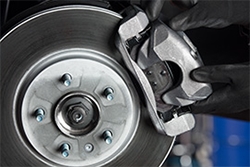
Brake Savings
Brakes, OEM brake pad installation, comprehensive brake inspection to help keep you stopping safely